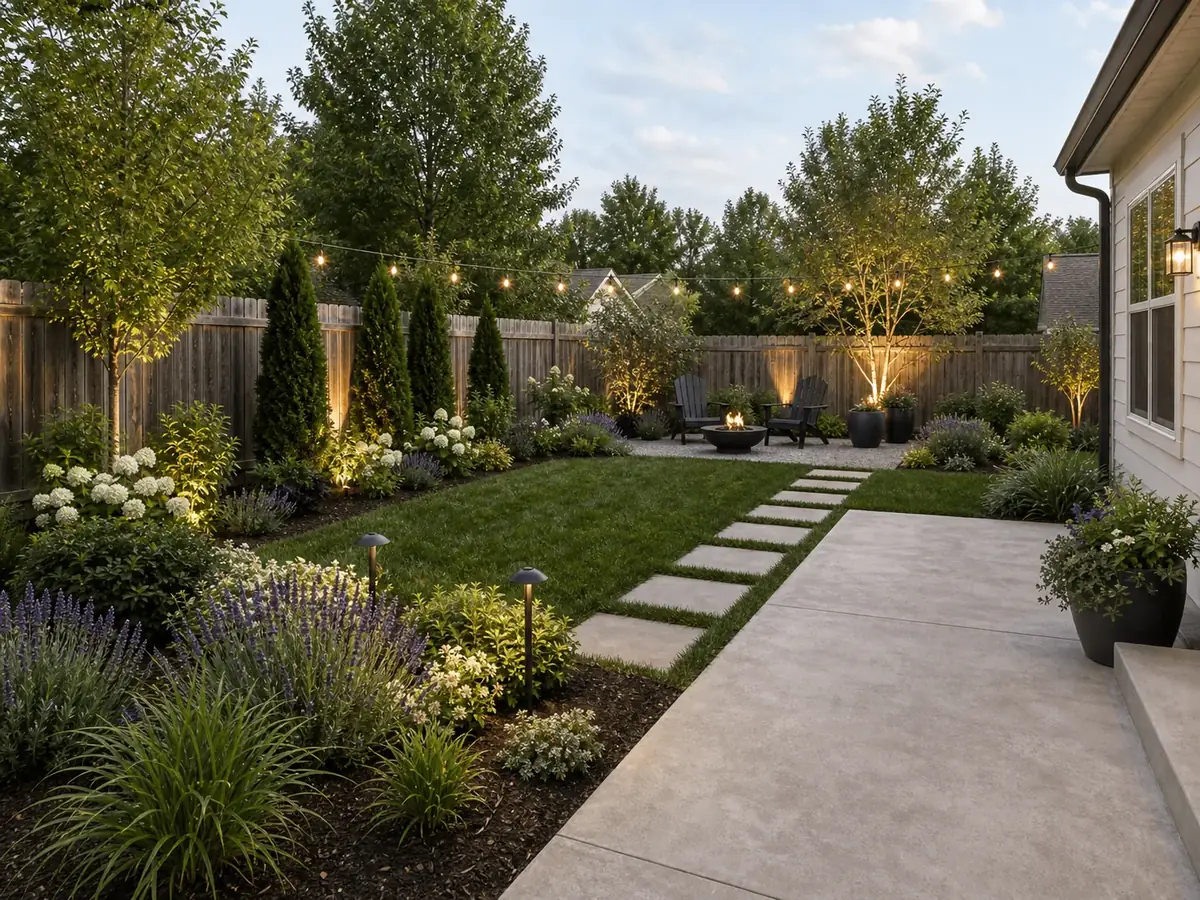
Yard design concept generated from a site photo with planting, paths, lighting, and outdoor use zones

Yard Design Ideas for Every Outdoor Space

Compare yard design ideas for front yards, backyards, small yards, side yards, patios, and driveway entries. Explore layout, planting, hardscape, privacy, lighting, and use zones, then create AI landscape concepts from your own photo.

Yard reference for choose a yard area
Yard

0/1000 characters

Yard Design Ideas
for Each Outdoor Space

Start with the area you want to improve first. Front yards usually need a clearer entry, backyards often need better outdoor living, small yards need smarter use of space, and side yards, patios, and driveway entries each have their own layout, privacy, planting, and lighting problems to solve.

Front yard design idea with a clear entry walk, layered foundation planting, ornamental tree, low shrubs, lawn edges, and path lighting

Front Yard Ideas

Make the front yard easier to approach and nicer to look at from the street, with a clear path, layered planting, lighting, and a better transition from driveway to front door.

Entry sequence

Make the route from street or driveway to the front door easy to see and comfortable to use.

Street privacy

Use planting, screens, low walls, or grade changes without hiding the whole facade.

Curb appeal

Balance the house scale with planting layers, lighting, edges, and open views to the entry.

Backyard design idea with patio seating, dining, lawn, privacy planting, shade, and warm outdoor lighting

Backyard Ideas

Use the backyard for the activities that happen most often: seating, dining, play, pets, gardening, storage, shade, and privacy from neighbors.

Outdoor living

Decide where people will sit, eat, gather, relax, or watch children and pets.

Privacy and shade

Control neighbor views, afternoon sun, wind, and heat before choosing finishes.

Daily flow

Connect doors, patios, lawns, gardens, storage, and gates without awkward dead ends.

Small yard design idea with compact seating, vertical privacy screen, raised planters, simple pavers, gravel, and layered plants

Small Yard Ideas

Make a small yard feel useful instead of crowded with fewer zones, compact seating, vertical privacy, simple paving, and plants chosen for their mature size.

Fewer zones

Choose the uses that matter most instead of trying to fill every corner.

Clear focal point

Use one strong view, planting bed, seating area, or path line so the space feels calm.

Right-size planting

Choose plants for their mature size, not just how small they look at the nursery.

Side yard design idea with a narrow paver path, gravel drainage strip, slim planting beds, vertical greenery, and low path lighting

Side Yard Ideas

Turn a narrow side yard into a useful path, service route, planting strip, storage edge, or quiet transition between front and back.

Path clarity

Keep the walking route simple, safe, dry, and easy to maintain.

Service access

Leave room for gates, trash bins, tools, hoses, utilities, and maintenance access.

Narrow planting

Use slim plants, ground cover, trellises, gravel, or wall-mounted details where space is tight.

Patio and outdoor living yard idea with lounge seating, dining space, planting edges, shade, house connection, and warm ambient lighting

Patio and Outdoor Living Ideas

Make the patio feel connected to the house and yard, with enough room for seating, dining, shade, planting edges, lighting, and movement.

Surface choice

Compare pavers, concrete, gravel, stone, decking, drainage needs, and long-term care.

Comfort

Plan shade, seating depth, table space, views, and evening use before choosing furniture.

Planting edge

Soften hard patio edges with beds, pots, screens, grasses, or low planting.

Driveway and front entry yard idea with clean paving, defined edges, planting buffers, pedestrian path, and entry lighting

Driveway and Front Entry Ideas

Improve the arrival experience with clear paving, planting buffers, defined driveway edges, lighting, and a safe route from street to door.

Arrival flow

Separate vehicle movement and pedestrian movement where the site allows it.

Defined edges

Use edging, planting, low walls, gravel, or lighting to make the entry read clearly.

Night visibility

Light steps, paths, gates, and decision points with low-glare fixtures that feel welcoming, not harsh.

How to Choose Yard Design Ideas
That Work for Your Yard

A good yard idea should work with your actual yard, not just look good in a photo. Before you choose a layout or style, check how you will use the space, where people need to move, what views need privacy, where sun and water go, and how much maintenance you can keep up with.

01

Start With How You Use the Yard

Decide what the yard needs to support first: arrival, seating, dining, play, pets, gardening, privacy, storage, or a quiet retreat.

02

Map the Main Movement

Trace the routes between doors, gates, driveway, patio, lawn, garden, trash, storage, and service areas before adding plants or furniture.

03

Check Privacy and Views

Decide which views to block, soften, frame, or keep open before choosing fences, screens, trees, or shrubs.

04

Read Sun, Shade, Slope, and Drainage

Notice where the yard gets hot, dark, wet, dry, steep, or exposed. Drainage, grading, and retaining walls should be reviewed by a qualified professional.

05

Choose a Maintenance Level You Can Keep

Match plants, lawn, gravel, paving, mulch, lighting, and furniture to the amount of care the yard can realistically receive.

Yard Layout Ideas
by Outdoor Use Zone

A useful yard layout gives each area a clear purpose. Before you choose plants, paving, furniture, or lighting, map where people arrive, gather, garden, play, store items, and move through the space.

Yard Use Zone Map

Click a marker or card to see how each zone supports the yard layout.

Residential yard layout with entry path, gathering patio, planting beds, open lawn, service path, and transition zones

Yard Planting Ideas
for Privacy, Shade, and Seasonal Interest

Good yard planting does more than add color. Use trees, shrubs, grasses, perennials, and ground covers to create privacy, shade, texture, seasonal change, and long-term structure. Choose plants for mature size, site conditions, and maintenance, not just how they look today.

Yard planting idea with trees used for shade, framed views, patio cooling, and long-term structure

Trees for Shade and Structure

Use trees to cool patios, frame views, connect the house to the yard, and create long-term scale. Check mature height, canopy spread, roots, and distance from buildings before planting.

Yard planting idea with layered shrubs for privacy, soft fence edges, and a settled garden boundary

Shrubs for Privacy and Edges

Use shrubs to screen views, soften fences, shape planting beds, and create a settled yard boundary. Mix heights and textures instead of relying on one flat hedge.

Yard planting idea with ornamental grasses and perennials adding texture, movement, seasonal color, and soft path edges

Grasses and Perennials for Texture

Use grasses and perennials for movement, softness, seasonal color, pollinator value, and lower visual weight around paths, patios, and open lawn areas.

Yard planting idea with ground covers, gravel, mulch, stepping stones, and lawn alternatives for low-maintenance areas

Ground Covers and Lawn Alternatives

Use ground covers, mulch, gravel, or climate-fit lawn alternatives where turf is hard to maintain, too narrow to mow, or exposed to shade, slope, or dry conditions.

Yard Hardscape Ideas
for Paths, Patios, Edges and Level Changes

Hardscape gives the yard structure and makes outdoor spaces easier to use. Use paths, patios, gravel, stone, concrete, decking, edging, steps, and retaining elements to guide movement, define zones, handle level changes, and support drainage. Choose materials for safety, maintenance, and how they connect to planting.

Yard hardscape idea with a clear stone walkway connecting patio, garden beds, gate, lawn, and service routes

Paths and Walkways

Use paths to connect doors, gates, patios, gardens, and service routes. Keep the main route easy to read, comfortable to walk, and wide enough for daily use.

Yard hardscape idea with a modern patio surface for seating, dining, shade, drainage, and house-to-yard transition

Patios and Seating Surfaces

Choose patio surfaces that fit furniture, drainage, cleaning, shade, and the transition from the house to the yard. Check slope and water flow before choosing pavers, concrete, stone, gravel, or decking.

Yard hardscape idea with clean edging, low walls, gravel strips, and planting borders separating lawn, beds, paths, and paving

Edges and Borders

Use edging, low walls, gravel strips, or planting borders to separate beds, lawn, paths, and driveway areas. Clear edges make the yard easier to maintain and easier to read.

Yard hardscape idea with stone steps, retaining walls, terraced planting beds, drainage edges, and patio level changes

Steps and Retaining Elements

Use steps, terraces, and retaining elements to make sloped yards safer and more usable. Drainage, wall height, grading, and structural support should be reviewed before construction.

Yard Lighting Ideas
for Entries, Paths, and Evening Use

Use yard lighting to make entries, paths, steps, patios, and gathering areas easier to use after sunset. Keep the light layered, warm, low-glare, and focused on where people actually walk, sit, and arrive.

Yard Lighting Layers

Use these four lighting layers to decide what each fixture should do before you choose the fixture style. A good yard lighting plan improves safety, comfort, and atmosphere without making the whole yard too bright.

Yard entry lighting ideas with warm low-glare lights on the path, gate, steps, house numbers, and front door

Entry Lighting

Light gates, doors, steps, house numbers, and arrival points so the yard feels clear and welcoming at night.

Light the route from driveway or street to the main door

Keep fixtures low-glare so the entry feels welcoming, not harsh

Include house numbers, gates, steps, and key decision points

Yard path and step lighting ideas with low warm lights along stepping stones, garden paths, and level changes

Path and Step Lighting

Use low, even path and step lighting to guide movement and reveal level changes without glare or harsh contrast.

Use repeated low fixtures to guide movement instead of flooding the path

Reveal steps, slopes, turns, and level changes clearly

Avoid bright fixtures that shine directly into the eyes

Yard patio and gathering lighting ideas with warm layered lights around seating, dining, pergola, planting, and fire pit areas

Patio and Gathering Lighting

Add softer light around patios, seating, dining areas, fire pits, or quiet outdoor rooms so people can use them comfortably after dark.

Keep seating and dining areas warm enough for comfort without overlighting

Layer wall lights, pergola lights, lanterns, and low planting lights

Use separate controls when possible so the patio can shift from dining to relaxing

Yard planting and accent lighting ideas with warm uplights on trees, planting beds, privacy screens, and textured walls

Planting and Accent Lighting

Use soft accent lights for trees, planting beds, screens, walls, or textured surfaces, but keep the overall yard calm instead of overly bright.

Highlight only a few trees, walls, screens, or textured surfaces

Use accent light after entry and path safety are solved

Keep planting accents subtle so the yard still feels calm at night

Yard Lighting Combination Rules

1Start with entry, path, and step lighting before adding decorative effects.
2Use warm, low-glare fixtures so outdoor spaces feel comfortable after sunset.
3Light where people actually arrive, walk, sit, dine, and make decisions.
4Use accent lighting on selected trees, planting beds, screens, or walls instead of lighting every surface.
5Keep fixture brightness, beam direction, and controls separate where possible.
6Review electrical work, wet-location fixtures, and local code requirements with a qualified professional.

Yard Design Ideas FAQ

Still have questions? Contact us.

Start with the part of the yard you want to improve and how people will use it. Then check movement, privacy, sun, shade, slope, drainage, existing trees, and maintenance before choosing planting, hardscape, lighting, or style directions.


Yard design ideas focus on residential outdoor spaces such as front yards, backyards, small yards, side yards, patios, and driveway entries. Landscape design ideas cover the wider site, including gardens, pool areas, hardscape, lighting, planting systems, style directions, and larger outdoor planning.


Start with the space that has the biggest problem or highest daily value. Front yards often need entry, curb appeal, and street privacy. Backyards often need seating, shade, privacy, play, pets, garden space, and outdoor living.


Small yards usually work better with fewer zones, one clear path, mature-size plants, vertical privacy, compact seating, and a simple material palette. Avoid adding too many features at once, because clutter makes a small yard feel even smaller.


Use layers instead of one heavy screen. Combine trees, shrubs, tall grasses, fences, trellises, screens, and planting beds to soften views where privacy matters most. Keep some views open so the yard still feels light, usable, and connected.


Use climate-fit plants with similar water needs, simplify bed edges, reduce awkward lawn strips, choose durable hardscape, and group planting by maintenance level. Low maintenance does not mean no maintenance, so keep access, pruning, irrigation, leaf cleanup, and seasonal care in mind.


Start with changes that make the yard easier to use: clarify the main path, clean up bed edges, add one seating area, improve privacy where you need it most, replace hard-to-maintain lawn strips, and add warm path or patio lighting. Simple ideas work best when they solve one clear problem.


Plan layout, movement, drainage, patios, paths, steps, and level changes first. Then use planting to add privacy, shade, softness, seasonal interest, and structure. This helps you avoid buying plants before you know where people need to walk, sit, enter, or gather.


Yes. Upload a clear photo of your front yard, backyard, side yard, patio, driveway, or garden to ArchOne AI. Then describe what you want to improve, such as layout, planting, hardscape, privacy, lighting, shade, or maintenance.


Mention the yard type, the main problem, what should stay, and what should change. Include useful details such as privacy, paths, seating, shade, existing trees, patio or driveway areas, lighting, drainage concerns, style direction, and maintenance level.


No. AI yard design is useful for early visual exploration, option studies, and client or family discussion. Final plant selection, grading, drainage, retaining walls, structural safety, code compliance, accessibility, permits, and construction details still need qualified professional review.


Backyard design concept with patio seating, planting, shade, lighting, and outdoor living ideas

Turn Your Yard Photo Into Design Ideas

Upload a clear photo of your front yard, backyard, side yard, patio, driveway, or garden. Then use ArchOne AI to explore layout, planting, hardscape, privacy, lighting, and outdoor-use directions before you commit to a plan.