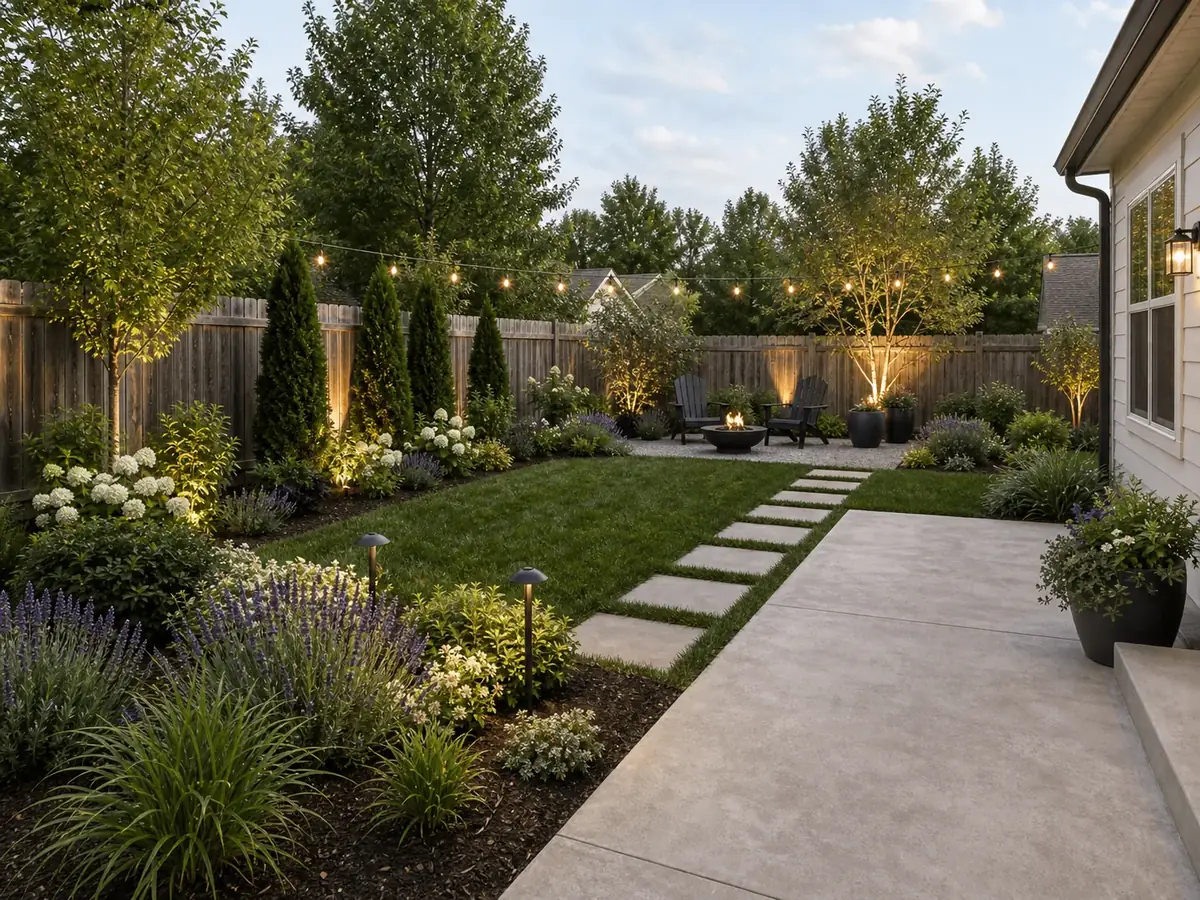
Outdoor landscape concept developed from a site photo with planting, paths, and hardscape

Landscape Design Ideas for Outdoor Spaces

Find landscape design ideas for yards, patios, driveways, gardens, and outdoor living areas. Explore planting, hardscape, privacy, lighting, and layout directions, or use your own site photo to create early landscape concepts with ArchOne AI.

Landscape Design Ideas
by Space

Start with the outdoor space you want to improve. A yard, patio, driveway, pool area, or garden each needs different choices for circulation, planting, hardscape, privacy, and daily use.

Backyard patio concept with paving, outdoor seating, shade, and planting edges

Patio Ideas

Compare patio surfaces, seating, shade, planting edges, lighting, and outdoor dining or lounge zones that connect naturally to the home.

Surface direction

Balance paving scale, texture, drainage, color, and maintenance.

Comfort and shade

Plan seating, shade, views, and evening use around how people gather.

Connection to the house

Make the transition from the interior to the patio feel practical and intentional.

Driveway and entry landscape concept with clear vehicle arrival, pedestrian movement, and planting

Driveway and Entry Ideas

Study driveway paving, planting, drainage, lighting, and the arrival sequence from the street to the front door.

Arrival flow

Keep vehicle and pedestrian movement clear from the street to the entry.

Edge treatment

Use planting, edging, walls, or gravel to define the drive without narrowing access.

Drainage and visibility

Consider permeable surfaces, water runoff, and low-glare lighting for evening arrival.

Pool landscape concept with a clear pool edge, planting, privacy, shade, and outdoor seating

Pool Landscaping Ideas

Explore planting, paving, shade, privacy, seating, and clear circulation around the pool area.

Pool edge

Create clear, slip-resistant, and well-drained transitions around the water.

Privacy and shade

Balance enclosure, sun, views, and cooling needs.

Outdoor use

Connect lounging, dining, storage, and movement zones.

Garden design concept with a path, layered planting beds, ornamental grasses, and a quiet focal point

Garden Design Ideas

Build planting layers with paths, beds, focal points, texture, and seasonal interest that fit the site and climate.

Planting layers

Combine trees, shrubs, grasses, perennials, and ground cover.

Paths and pause points

Use paths, seating, and framed views to create destinations and easy movement.

Year-round structure

Plan form, texture, and seasonal interest beyond a single bloom period.

Landscape Design Ideas
for Common Yard Challenges

Start with the problem you want to solve. Good landscape ideas respond to privacy, maintenance, drainage, circulation, space, and evening use—not just visual style.

The Yard Feels Too Exposed

Privacy works better with several layers than with one tall barrier.

Start by adjusting

Layer planting
Frame the views you want to keep
Use fences or screens only where needed

The Yard Is Hard to Maintain

Choose plants with similar water and care needs, then simplify edges and surfaces to reduce upkeep.

Start by adjusting

Group plants by water and care needs
Simplify bed edges
Choose durable, easy-to-clean materials

The Site Has a Slope or Drainage Issue

Slopes and drainage issues affect water flow, soil stability, paths, planting, and retaining elements.

Start by adjusting

Check where water collects
Note slopes and level changes
Get professional advice before grading or adding retaining walls

The Outdoor Spaces Feel Disconnected

A clear path, repeated materials, and strong visual connections can link the house, yard, patio, and garden.

Start by adjusting

Clarify the main path
Repeat key materials
Connect the main destinations

The Yard Feels Too Small

Small yards work better with fewer, well-sized zones, clear paths, and a simple material palette.

Start by adjusting

Use fewer, more useful zones
Choose plants for their mature size
Keep one clear focal point

The Yard Is Hard to Use at Night

Layered outdoor lighting can make paths, entrances, planting, and gathering areas easier to use after sunset.

Start by adjusting

Light key paths and steps
Add ambient light where people gather
Use low-glare accents

Landscape Design Ideas
That Fit the Real Site

A good landscape idea has to fit the real site, not just look good in a picture. Before you choose a direction, check how the space will be used, what needs to stay, how people move, where water goes, and how much care the landscape will need.

01

Start With the Real Site

Keep the house, existing trees, structures, slopes, views, sun, shade, and drainage patterns in mind before changing the design.

02

Decide How the Space Should Work

List the main uses first: arrival, seating, play, dining, planting, privacy, storage, or client presentation.

03

Make Movement Easy to Read

Connect doors, driveways, paths, patios, seating, and garden areas with simple, comfortable routes.

04

Balance Planting and Hardscape

Use paving, walls, steps, and edging for structure, then use planting to soften boundaries, frame views, and add seasonal change.

05

Check Scale, Growth, and Maintenance

Choose plant sizes, path widths, furniture, lighting, and materials that fit the house, the yard size, local climate, water needs, and long-term care.

Landscape Design Ideas
by Style Direction

Choose a style after you understand the site, climate, architecture, and maintenance needs. A style direction should guide planting form, hardscape materials, path geometry, color, texture, and lighting mood.

Modern landscape concept with clean paths, structured planting, and restrained materials

Modern Landscape

Cottage garden concept with layered planting, soft edges, and a welcoming path

Cottage Garden

Japanese-inspired landscape concept with calm planting, stone, and a framed garden view

Japanese-Inspired Garden

Natural landscape concept with climate-fit planting, soft paths, and layered texture

Natural Landscape

Low-water landscape concept with gravel, stone, sculptural planting, and shade

Desert and Low-Water Landscape

Mediterranean landscape concept with warm paving, textured walls, and outdoor seating

Mediterranean Landscape

Landscape Design Ideas
by Key Features

Use key landscape features to turn a broad idea into a clearer plan. Planting, paths, hardscape, privacy, and lighting shape how the outdoor space looks, works, feels, and changes through the day.

Landscape planting concept with trees, shrubs, grasses, and layered ground cover

Planting Layers

Use trees, shrubs, grasses, perennials, and ground cover to build structure, privacy, texture, shade, and seasonal change.

Landscape hardscape concept with a clear path, paving, planting edges, and seating

Hardscape and Paths

Compare paving, paths, steps, retaining elements, and edging that organize movement and make the site easier to use.

Landscape privacy concept with layered planting, a screen, and an open outdoor zone

Privacy and Screening

Study planting, fences, walls, and screens that control views without making the outdoor space feel closed in.

Landscape lighting concept with warm path lighting, planting accents, and an outdoor gathering zone

Landscape Lighting

Layer path, ambient, boundary, and accent lighting to support arrival, safer movement, gathering, and planting after dark.

Landscape Design Ideas FAQ

Still have questions? Contact us.

Start with the outdoor space you want to improve and how you want to use it. Note what should stay, such as the house, trees, paths, grade, sun, shade, views, and privacy needs. Then compare ideas for layout, planting, hardscape, lighting, and style.


Landscape design ideas cover the wider outdoor setting, including yards, patios, driveways, gardens, planting, hardscape, lighting, privacy, and site flow. Yard design ideas focus more closely on front yards, backyards, small yards, and side yards.


Choose the idea that fits the real space first, not just the image you like most. For a front yard, focus on entry, curb appeal, privacy, and planting. For a backyard or small yard, look more closely at seating, shade, circulation, maintenance, and how the space will be used day to day.


Yes. Upload a site photo, sketch, render, or reference image to ArchOne AI, then choose an outdoor space and style direction. Add notes about what should stay, what should change, and the planting, hardscape, privacy, lighting, or material ideas you want to explore.


Mention the outdoor space, the main problem, and the result you want. Include details such as style, plants, paths, patio or driveway areas, privacy, lighting, drainage concerns, maintenance level, and anything that must remain recognizable.


Yes. You can use ArchOne AI to explore early concepts for front yards, backyards, small yards, patios, driveways, gardens, pool areas, and other outdoor spaces. The best results come from a clear photo and a short note about how the space should feel and function.


Yes, use them for early option studies, mood discussions, and visual communication. They can help people react to a direction before detailed design work begins. Do not use AI images as planting plans, grading plans, drainage plans, construction documents, or permitting documents.


No. AI is useful for early visual exploration, comparing directions, and preparing discussion material. Site measurements, plant suitability, drainage, grading, structural safety, code compliance, budgets, and implementation still need qualified professional review.


Last updated: July 15, 2026

Landscape concept visualization based on a real outdoor site

Create Landscape Design Ideas for Your Own Site

Upload a site photo, sketch, render, or reference image, then explore landscape design ideas for planting, hardscape, lighting, privacy, and outdoor use with ArchOne AI.